Episode Description
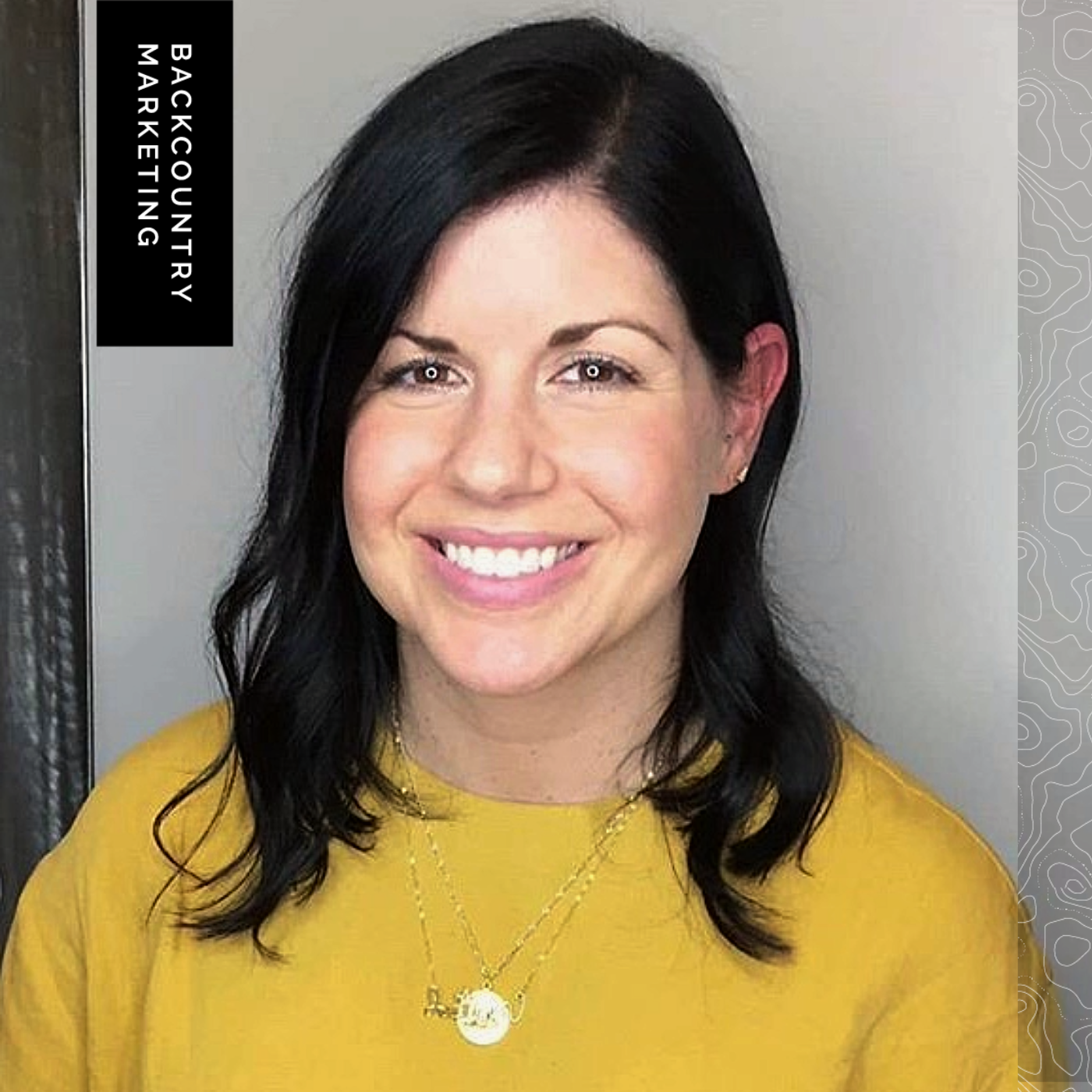
Nic Brandenberger, the CMO at Mammut, joins Cole to unpack how outdoor brands can move beyond beautiful-yet-forgettable content and create social-first marketing that people actually come back for more.
In this episode, Nic and Cole talk about the difference between good content and great creative, why entertainment can be a powerful tool for brand marketing, and how Mammut is using comedy and mini-series to break through the sea of sameness in the outdoor industry. Nic also shares what the team has learned about brand personality, platform-specific creative.
From making every social skit episode work as a standalone asset to finding a distinctive brand voice that doesn't compromise product credibility, Nic challenges brands to earn attention, build familiarity, and create a more meaningful role in people's lives.
About
This podcast is produced by Port Side, a creative agency that helps outdoor brands build relevance, recognition, and attention.
Enjoy this episode and discover other resources below:
Support Us | We’ve been bootstrapping this for 6 years. Help us keep this going
Relevance Project | We’re building three brands in public. Follow along
Email List | Follow along and join our email list
Slack Community | Tired of brainstorming with ChatGPT? Join us!
LinkedIn | Connect with Cole
The Relevance Project
The Relevance Project is a public experiment where Port Side partners with three outdoor brands to test whether audience first, entertainment-driven content can build attention, trust, and long-term business growth. We'll document the entire process, share the results in real time, and explore what actually drives brand relevance in today's crowded market. Follow along on the Backcountry Marketing Podcast.
Episode Transcript
Cole Heilborn (00:02)
Using entertainment as a tool in advertising, what have you learned about that as a concept through these mini series?
Nic Brandenberger (00:14)
It's it's actually really difficult to create a multiple on-ramps that lead the consumer to fully understand the message that you want to convey. We had a skit series now twice. With these skit series, the difficulty is that you need to create each asset as a standalone asset. And the whole message of your campaign needs to be understood within that one asset.
Cole Heilborn (00:46)
Was that a mistake you guys had made somewhere along the way with these miniseries? Is assuming people would consume them sequentially?
Nic Brandenberger (00:53)
I think in the first iteration, I think we were trying to tell more more of a story. That sequence was was working if you saw all the episodes, you know, in in sequential order. Because consumers don't go through your content in the way you would love them to go through, right? That's just wishful thinking.
Cole Heilborn (01:15)
You have found a very distinct way to show up and I feel like that's a huge opportunity for brands out there if they can figure out how to do that in a way that's true to them.
Nic Brandenberger (01:24)
It's really, really important if to understand who you are as a brand, what you stand for, what your values are, what your propositions are. Even if you know that, you can then still bring it to life a hundred different ways. You know, ultimately, I feel like the best performing content doesn't look like marketing.
Cole Heilborn (01:49)
Welcome to the Backcountry Marketing Podcast. Nic, it's good to see ya. Good to see Yeah
Nic Brandenberger (01:55)
See ya. Thank you for having me. Yeah.
Cole Heilborn (01:57)
okay, so we got a lot to talk about today. to kick us off on our intro call, you said something to the effect of it's easy to make good content. It's so much harder to make great content. Can we start here and kind of share with share with me, share with our audience what you mean by that statement?
Nic Brandenberger (02:15)
Yeah. I mean we're you know we're in the outdoor industry, so it's it's an amazing world to to be working in, right? it's beautiful nature, it's beautiful scenery, it's insane action. It's very, very appealing just by you know by the nature of what it is. So
you can send out a production team for like a hiking shoot or a trail running shoot or a skiing shoot and you'll come back with insane footage, right? Like you have blue hour, you have you know such insane scenery, and it's insanely beautiful. But you don't own that as a brand. You don't own the mountains, right? And every brand can go out and produce, you know, content out there and you'll have the trail running.
scene with the two you know male and female running on the on the ridge upwards and it's like yeah I've seen it before. It's beautiful, but it's not ownable and it's not not that special, right? And like I think the difference comes, you know, when you when you really try to get from good stuff to really great stuff, that's like it's like the last mile. But it's so hard because you suddenly get into the nuances of like
How do you visualize that benefit? How do you do it differently from like how everyone else does it? Like how do you do it more in a more mind opening or heart opening way? You know, so it's it's a lot of work and it's in the nuances for sure.
Cole Heilborn (03:50)
I think you you also use the word you described as category as a grateful category, which I think is such a great way to think about the or outdoor industry. Something I've thought about, and you tell me what you think here, is like this notion that there are very few industries where the customer like willingly wants to spend their free time being advertised to in some way. Like when I'm not hiking, I'm thinking about hiking, and then I'm probably gonna go, you know, watch some hiking video or
You know, deer season is approaching. And so I'm gonna go to YouTube or Instagram and like start looking for deer hunting content, either to educate me or, you know, get me psyched. That feels like such an opportunity for brands, you know, if they can figure out how to position themselves and actually provide content that's interesting or relevant. Do you look at it the same way?
Nic Brandenberger (04:41)
Yeah, in one way yes and the other way no because like it's we're I kind of like just recently was thinking about like how how close are we to the actual benefit for the consumer? And I landed at the conclusion that we're not actually that close. We're not I'm not like a chef with my team here or like running a restaurant where we produce a product that immediately gives you satisfaction as you consume it.
And I can watch you like I can watch your s the smile on your face, right? Like we're not that close. So we're making stuff so that people can go out later on, you know, and experience nature. And so we're kind of one step removed because like the the the end that the I the actual experience the consumer is after is like being on a mountain, having an overnight overnight camping trip, climbing a wall, skiing down a a a chute, right? Like
And we're just enabling them to do that, right? So we're not actually that close, which also means that we don't own the actual experience. We're just we're just enablers. and so once once I understood that, and that wasn't just last week, but like, you know, once I understood that, I think I looked at it in a very different way. you know, I we can't own the mountains, we can't own the experiences.
But yes, in a way, the the experiences that we create, the digital content, the you know, the physical experiences, the you know, the hike outs, the runs that we create, that's something that we where we can show up as a brand. and I think that's that's the difference between just giving someone a product and letting someone have an experience.
Cole Heilborn (06:30)
Yeah,
tell me more about that distinction that you're making. How does that influence how you think about content?
Nic Brandenberger (06:35)
Yeah, I think it's on the one hand, c content is such a is such a big word because there's so many different types of content. Of course I want to talk about my products, right? So we will have, you know, content that is very, very much focused on the product itself, the benefits, what it gives you, the features, the functionalities and everything. And that surely has a place in a consumer's path to purchase. Let's put it like that.
But again, it's I'm just telling them the features and functionalities they need to then have an insanely cool climbing experience. Right. I do also want a little a little bit talk about that climb climbing experience at the end of the day, even if I can't own it, right? So I want to inspire people. I wanna get the perfect shots. I wanna actually maybe show how the product helps you have an even better climbing experience.
And that's where you you also have to go from good to great because that's not always like super trivial. and so you can combine product messaging and inspirational content. I would say that's kind of like next level. And then you have let's say pure branded content where you don't necessarily want to put a product front and center.
But you wanna celebrate the experience. You wanna celebrate mountaineering as a whole, you wanna celebrate, you know, the the beauty of nature, et cetera. and you wanna then still kind of put your put your perspective on that. again, because no brand can own, you know, an experience above the tree line, but you can have an ownable perspective on it or what it should be or what it could be.
Cole Heilborn (08:26)
This kind of leads us into some of the mini series content that you guys have been producing. The Mountain Ware Rescue and and the Take a Hike series. I don't know what sort of feedback you've been getting from those, but I've heard many people bring those up in conversation as they're like, look at what Mammut's doing. It's really it's kind of a neat, refreshing approach to how I feel like outdoor brands are showing up.
on social. Can you tell me a bit more about well, just for the sake of context, for those who haven't seen them, can you share a little bit about what these mini series are? And then we'll get into I wanna I wanna know more about the strategy and and how you guys think about this type of stuff.
Nic Brandenberger (09:04)
Yeah, for sure. so we do we do some brand level campaigns, right? So think about like we don't have to advertise a specific product, we don't have to, you know, talk about a specific activity. the only objective here is to get our brand in people's minds, you know, cut through the clutter, create some awareness, maybe some familiarity in markets that don't know us well.
and so we we actually have like full creative license, total freedom, what we want to do, right? the choices that we made, however, so we have a we have a creative platform that is all centered around you know growth above the tree line or on the mountains. And then you know, ultimately with our communication at brand level, we basically want to do one thing. We wanna
inspire people to go out and and have experiences on the mountain. So every every campaign that we do somehow points there. Like whether we say we're not a streetwear brand or we say mountain wear rescue, where we say like, you know, you our gear is kind of made for the mountain. So if you're wearing it in the city, it's kind of not what it's designed for. So you know, we're gonna take it, put it on a mountain, you can go get it. Right. So go on a mountain.
or take a hike, you know, like we get into into toxic comment sections and you know, telling people to take a hike because it does lower cortisol levels and everything. So it's all the same messaging, basically go out, go above the tree line and have fun. And so that's kind of the the the strategy or the thinking. It's not much strategy, it's just like that's how we want to show up as a brand. We also want to have some fun.
and I think there's several different ways, probably a thousand different ways you can do that. and we've tried a few before these campaigns have gotten noticed that were just like more classical approaches, right? Like you have your fifteen, thirty second videos, maybe a sixty second or ninety-second or even a longer form video. and you're just trying to, you know, to tell people to go out and have fun in in various creative ways.
and that's brand to consumer messaging. And sometimes it works, sometimes it doesn't. Most people nowadays will just consider it an advertising and and will switch off after, you know, three, four seconds. and so I thought it was very interesting, a very interesting idea to kind of f you know, kind of blend in between advertising and entertainment.
And so the format, the list of different formats that you can do obviously then e explodes. You can do, you know, you can do a film if if you have the means for doing that, or you can do like mini-series as we did. and so that was kind of like the the thought behind that. It was made mostly format innovation. plus we could do it so that it doesn't feel like it's a brand talking to a consumer, but it's
You know, us basically just letting people have a little bit of a a peek inside our four walls, you know?
Cole Heilborn (12:28)
high level, how has it been received? How well have they done?
Nic Brandenberger (12:33)
very well. I think we've we've we've got insanely good engagement on on those assets. So we did I think two campaigns and each campaign had I think between five and six episodes. we've been working with Katie Burrell and in the in the second one with Jonographs as well. And so we had some some voices from the community in there as well, which obviously then helped us, you know, get more reach.
and also insanely good engagement. It's just, you know, it's just fun. It's it it feels like something a little bit different, not what you would see from any other brand at any other given time. and yeah, the feedback is insane, just from purely from the numbers. So what we see in our engagement rates, like higher than much, much higher than average on our posts and our content.
Whether it's longer form video content, shorter form video content, imagery, et cetera, it's it's just higher engagement. And then qualitative feedback, right? From the community, from you know, ambassadors, from yeah, it's like it's they all find it fun and different and you know memorable, which is all the things you want to hear, you know. And then I think in this in the second series, especially where
In the take a hike campaign, where we kind of picked up on, you know, like a cultural truth, of you know, there's like toxic situations where we can jump in as a brand and say, like, hey, there's a little bit of relief out there in nature. Why don't you go take a hike? I think the combination between, you know, trying to insert insert ourselves in a in a way, in in a in a cultural truth, but in a authentic way, because yeah, that's what we want to tell everyone.
you know, go take a hike. I think it was picked up in a in a really positive way, as well. So yeah.
Cole Heilborn (14:33)
So if you were if you were to compare these couple campaigns to some of the more like traditional brandy consumer messaging, you know, the the fifteen or the thirty or the sixty second campaigns that you've done in the past, how do those compare?
Nic Brandenberger (14:47)
It's kind of hard to compare those because they obviously do different things. and you would obviously design assets like that for different purposes. So if you do a 15-second ad, you will probably you know wanna go for breach. if you do a skit series, you probably wanna go for view through rates and for engagement. So already in designing the the content
You would have different objectives in mind. And then therefore the format looks different. and and the metrics that you would want to look at to assess whether they're successful or not are also different. of our campaign actually work with most of the common formats as well. So we will have key visuals that work in an aesthetic environment.
We will have six-second bumpers, 15-second ads. We'll have the skit series. So we will have a variety of different content that done that then hits at different metrics that we want to drive. So yeah, our campaigns are kind of you know broader than that. In the past, maybe we would have done just more classical campaigns, maybe we would have only launched
Four 15 second ads, and we've gotten a certain reach with that, but almost zero recognition from within the community, very low engagement rates. And it what you could argue wasn't necessarily registered. Also because it's just advertising. Whereas here there's some entertainment value. You know, I'm I'm not trying to sell you something, but I'm I'm keeping you a few seconds and maybe leaving you with a smile.
Cole Heilborn (16:40)
Okay, I gotcha. So so the these mini series are part of a a greater campaign. The the the actual assets that are on social are part of a much broader asset bank of content. Is that what I'm hearing?
Nic Brandenberger (16:53)
Yeah, yeah, absolutely yeah.
Cole Heilborn (16:54)
Gotcha. I made the mistake of of thinking that instead of just doing the like traditional thirty second, you pivoted entirely just to, you know, the half a dozen mini series episodes. But got it. Okay. So you just took a campaign and and figured out how to make it more social first.
Nic Brandenberger (17:11)
And we never really had the kind of classical 30 seconds, right? Because like everything is centered around the same core idea, right? So if we if we have a campaign that's take a hike, we don't have like your average kind of you know classical 30-second ad that is trying to sell you a jacket, right? That we were we wouldn't be doing that. What I'm saying is like we have a core idea that works in the format of a skit series, but also works
in the format like it could be an out of home stunt or it could be like a a 15 second short kind of ad like object. It can take many forms, right? Pencil
Cole Heilborn (17:51)
Yeah, gotcha.
Nic Brandenberger (17:53)
sprays, you know, like we have yeah, we have many different touch points that we're trying to serve, but the idea is still coherent and consistent across all those touch points.
Cole Heilborn (18:04)
Yeah. Okay. Understood. what have you learned about taking this sort of an approach? 'Cause it sounds like what you're doing is, I mean, as you said, you're leaning into more of the entertainment side of using entertainment as a tool in advertising. what have you learned about that as a concept through these miniseries?
Nic Brandenberger (18:23)
It did it's a really tough question because over the past few iterations of such camp such brand campaigns that that we did, all of the campaigns were kind of slightly different. I mean obviously the content was was different, the core message was different. Yes, we we had a skit series now twice, so we learned a little bit how to keep interest and engagement over time.
you know over the different assets that we ideally want people to see in a sequential order. And then within the asset, like how do we keep you know interest high and like drive view through etc. So we have we have learnings at asset level that are really helpful. and then we have learnings let's say at at channel level and then at campaign level. What we learned though at you know if you step back
With these skit series, the difficulty is that you need to create each asset as a standalone asset. And the whole message of your campaign needs to be understood within that one asset, whether it's episode one or episode five or episode three. Because consumers don't go through your content in the way you would love them to go through, right? That's just wishful thinking. So you might reach one
consumer at a time 80% of your assets are already published and it's episode six. And that consumer still needs to understand the full message. So episode six needs to also work as a standalone asset and work as a sixth episode of the series. So it's it's actually really difficult to create a campaign with multiple on ramps that lead the consumer to fully understand the message that you want to convey.
and I think that's the that's also what gets you from like a good campaign to a great campaign if you consider those things and you really make it right for every consumer, regardless of which channel he uses that he or she uses or they when they get to the to the content that they fully understand what's going on here.
Cole Heilborn (20:46)
I see. Was that a mistake you guys had made somewhere along the way with these miniseries? Is assuming people would consume them sequentially?
Nic Brandenberger (20:54)
I think I think in the first iteration, I think we were trying to tell more more of a story where, you know, like ultimately, you know, there's some some rangers, and then ultimately, you know, what we want to do is to get people back on a mountain where they then, you know, retrieve their their jackets and everything, right? And I think that sequence was was working if you saw all the episodes.
you know, in in sequential order. and I think our expectations were maybe that, you know, if we direct everyone to a landing page, where they have kind of like the the all the episodes that are live at w at whichever moment they get there, that they would like go through the content. But that's just not how people don't have the time you know, to do that necessarily. and so that was that was, yeah, something that we learned
in in that first iteration. We did it slightly differently in the second one and we're working now on on on another campaign where yeah, where we're really trying to make this work.
Cole Heilborn (22:04)
Gotcha. What do you think about entertainment as a as a tool? Is it is it effective?
Nic Brandenberger (22:10)
I think so. I I think you can create fantastic advertising that isn't entertainment. and it is, you know, like it does all the things. It's memorable, it's like exciting, it's new, it's different, it's credible, it's, you know. But that's like that's now we're talking Champions League, you know, of advertising, and and it really in order to do that right.
you need time, you need to be able to to test, you need to, you know, like, and it will cost you more than what you usually would have available to create create content, especially in the outdoor industry. so I think it's it's it's possible, but it's really, really hard. And I think what entertainment does for the outdoor industry, and by the way, this isn't a new thought. Like out the outdoor industry has lived off of longer form content for decades, right?
I think what it does is that it gives you more time with the consumer to kind of convey what your brand's values are and what you stand for. and again, yeah, give them a breather from, you know, l just looking at your products, right? and then yeah, it's yeah, it's it's it's grateful because we have there's so much content and we don't have to we have we don't have to necessarily be creative, right? Like we can just like tell stories of
our athletes or from people out there, you know, and and make longer form, you know, videos of that. And it'll be watched because it's just, you know, it's desirable stuff. It's beautiful. It's interesting, you know, you get to know characters, you get to know their challenges, etcetera. So yeah, it's it's that's that's grateful. you know, grateful to be in this industry, that's for sure.
Cole Heilborn (24:06)
What I like about what you guys have done is in this grateful category of content where there is so much and there are so many amazing stories about athletes or ambassadors, you know, doing whatever whatever they're doing. Like you said at the beginning, it produces this as we talk about, like the sea of sameness amongst a lot of the outdoor brands. You have found a very distinct way to show up in the world through content, which I think is really intriguing. Cause I feel like there's a lot of brands, like I I guess.
And maybe I maybe I'm gonna really simplify this. But it feels like in order to do what you guys have figured out how to do is one, you have to really understand who you are as a brand. That's a challenge for some brands, is like what makes us distinct. But then the other piece is even if we are distinct, how do we turn that into content or campaign that's also distinct and accomplishes what we need it to accomplish? And it seems like you guys, I mean, it's clear that you have figured out how to do both of those things well and shown up in a format that's equally distinct.
And I feel like that's a huge opportunity for brands out there if they can figure out how to do that in a way that's true to them.
Nic Brandenberger (25:12)
I'm not sure we've like fully figured out everything. for sure we know who we are. you know, we've been around for 164 years. So we've got we've got that story pretty, pretty straight. and and and that makes sense for us. and I and I think, you know, when I came here three and a half years ago, like I didn't I didn't need to reinvent the brand. Like it, you know, it has so much heritage, so much history, like.
I didn't need to I didn't need to do much other than maybe sharpening it and you know bringing it to life like in concise shape or form. I think the way this can then translate into marketing content or we could also call it entertainment content, I think that's where you you have another translation to do because like it's
It's really, really important if to understand who you are as a brand, what you stand for, what your values are, what your propositions are, what your character is as a brand. because even if you know that, you can then still bring it to life a hundred different ways. so that there's another there's there's one job where you need to make sure you're you're distinctive within the category, right? So
visually a distinctive, maybe you have a a a brand voice and a brand tone that is that is slightly you know that is memorable, that is a slightly more slightly more provocative maybe in our case, sometimes fun. and then you need to bring it to life in the campaign language, which then links to that brand voice, which reinforces it, and which does not
divorce you from your roots and from your soul as a brand, right? And I think that's the that's the key. That's where we found the balance in in our in our last few campaigns. And I think the most beautiful thing for me was I guess when when we figured out, hey, look, as a brand in this industry, yes, we are a serious brand. We've been around for, you know, more than a century.
We are in a way a safety brand. So it's serious stuff. We're we're making, you know, PPE product if you want. so it's nothing really to laugh about. But on the other side, if you think about a a mountain guide, you know, they are there to say to to keep you alive and and to keep you safe and everything. But they can all they're also human. They can also laugh and have fun, you know, make a joke every now and then.
And I think this helped us kind of soften our own brand voice and find find our own brand voice to be also sometimes, you know, having a little bit of fun. And then that in turn, you know, made the team have also more fun creating stuff, which is, you know, that's where where you s where you really start seeing how you're getting from good to great. And so that was a fantastic moment for me to see, yeah, for sure.
Cole Heilborn (28:35)
You mentioned brand as a character. I feel like this is a concept that I've I've been hearing more about and talking to more people about. I don't know if it's new by any means, but does that how you think about your brand? Do you think about your brand as a character?
Nic Brandenberger (28:50)
Yeah, yeah, yeah, for sure. it's interesting, right? Like it's
Brands are being described as if they were people, right? Like, because you think about a brand, you're like, are they are they nice? Are they funny? Are they, you know, rugged? Are they sporty? Are they, you know, like in a way, the associations are always you know, also to a degree human. And I'm gonna get to why this is especially important for for for us as a brand. But if you look at it from the other
way like how do you communicate as a as a corporation or as a company. Right. Like yes, you can you can obviously do ads, you can entertain people, but there and there's so many other touch points, right? Like you have job descriptions that are public. There's you know there's there's all sorts of you know communication touch points. But ultimately people don't follow you for the more formal
content or advertising, people follow you for the stories you tell, the characters you bring forward, the entertainment you give them, the memories you give them, right? Like, you know, mostly then through content that has some sort of like value for them. So for me, you know, ultimately I feel like the best performing content doesn't look like marketing. And that's that's that's that's kind of like one formula for me. Now
It's in especially important for Mammut because we have, you know, for decades have really, really focused on the product. So if you if if I go into my brand health monitor and I look at, you know, what are the attributes that we really are strong at, it's all the functional benefits, right? Like it's the quality, the reliability, the durability. and I and I think that's fantastic and we want to definitely preserve that.
But to make the brands more human, which we also know is what drives you know, engagement, which is what drives brand consideration, is is a really big job for us to to still do. And that's what that's the that's the journey that we're on. trying to humanize our brand, you know, being more approachable, more accessible. And that's why we're also like using these skit series at times to kind of break the fourth wall and you know, make some fun of ourselves and
yeah, and have some fun doing so.
Cole Heilborn (31:29)
I'm really curious to learn more about the reach side of these mini series. Wha tell me more about your expectations around the reach. Were you hoping that it would be all organic reach? was there was there paid put behind it to increase that reach? What what did that side of the equation look like?
Nic Brandenberger (31:49)
Yeah, it's a good question. so as I said before, we're we were and we are for every such campaign creating a lot of different assets with different jobs to do. and the job for the Skits here is primarily to drive engagement, which is what they do really, really well. But we are not doing this just for the sake of
engagement. We're obviously also looking at reach because if you have a fantastic piece of content, it can create an insane amount of reach organically, which is what you all hope for. Like every marketer hopes for the viral breakthrough and like they create a piece of content and there's a hundred million views, right? Like that's that's kind of like that's where you have to shoot your shot for sure. So it's not
It's not like we don't hope that there will be like something viral in there, something that, you know, just like you know, explodes the reach of the asset. But in the skit series particularly, it was it just wasn't the first priority metric that we would look at. Yeah.
Cole Heilborn (33:08)
Gotcha. Gotcha. That being said, how did the reach was it all organic?
Nic Brandenberger (33:15)
It so no, I wasn't. So we also put some paid behind some of these skit series or skit episodes. we are reporting it though separately. So we we are seeing what kind of reach we're we're getting with paid, and we're seeing the reach that we're getting organically, also by the sequence of how we're launching this. We're still we're still getting, you know, millions of views that are organic views.
before we inject paid behind it. But yeah, we will we will we will not let an asset like that you know just get you know a hundred or two hundred thousand views. Like if we feel if we feel it's good and we think more people need to see it, then we put some paid behind it and see where it goes.
Cole Heilborn (34:03)
Are you seeing anything worth noting between between like a the content that has strong organic and then what happens when you put pay behind it? Are you seeing a is it an outlier piece of paid media then at that point for you?
Nic Brandenberger (34:19)
No, not necessarily. And like I think we're also like experimenting a lot, right? So we we, for example, don't always know what kind of audiences we reach. like let's say if if if we're not putting any paid behind it, we're you know, it it can go anywhere, right? Like it can go into our following, it can go into like a following of an influencer or ambassador that is playing in the skit series.
And it can be very confined to that audience. Or it can somehow like break into an adjacent category like photography for you know for no obvious reasons. And so we're we're just observing that and and and like you know trying to trying to learn from it and trying to also fuel some of that reach further on with some with some really targeted paid. So yes, to to answer your questions, like those could be like outlier assets then.
but you know, in in most cases we kind of have a good idea where it goes and then also with the with the paid behind it, we have a plan, we have our our audiences that we've defined that are important for us. and yeah, adjacencies that we want to reach. And so yeah, we have we can kind of play a play on both sides of that. But we love experimentation and I think it's the only way you can actually learn from from what you're doing. Yeah.
Cole Heilborn (35:46)
You had you had I I wanted to come back to those learnings because you had mentioned there's kind three levels of learnings. There was the asset itself, there was the channel strategy, and then kind of the general campaign strategy. Tell me a little bit more about the channel strategy and the campaign level.
Nic Brandenberger (36:04)
So channel strategy, it's I mean, I hope I hope what I'm saying is like not really
know, it's it's probably not really news to anyone, but like, and we we it's not the first time we we did that we made that learning in a way, but like it still it still shocks me or like it still surprises me like how different platforms will make your assets perform differently, right? So obviously you're not gonna put something that was made for for YouTube.
on you know on tick tock and you and you hope it will work. It it won't, right? Like just because of the format and like all sorts of like all sorts of stuff. But let's say if you have Instagram reels and you have TikTok, which are both like long format, you know, vertical video content, you could argue you want to try putting a skit series in in both of those channels. And then you know hopefully like you'll reach a certain audience that will will will
Cherish that content and engage with it. But the results were like very, very different. So we would see, we would see more ad-like objects perform really well in the meta universe of platforms and the more skit the skit series, the classical skit series that we did like work much better on TikTok. and so we're still we're still kind of you know learning.
but like yeah, those channel channel differences exist. we also learn on, you know, carousel formats and and what have you. It's just like there's all
a lot of differences between the campaigns that we run so that the learnings kind of start from the beginning again. but yeah, I think we're we're getting better every time we're doing this. So which is which is also fantastic. But yeah, there's different platforms require different assets. You need to really tailor it to the audiences, to the platforms, use native features, etc. in the content. So yeah, you can
W there's no there's no one one fits all.
Cole Heilborn (38:26)
That'd be incredible if it was.
Nic Brandenberger (38:30)
You know, like I'm I'm old enough to look back on my career when I as a marketer at Procter and Gamble did like one key visual and one thirty second ad, and that was it. And the key visual was everywhere at point of sale, print, you know, on the packaging everywhere. and there was a one thirty second ad and that was on T V and job done. It's such a different world today. It's incredible.
Cole Heilborn (38:56)
And you probably had more budget back then to make those those two assets.
Nic Brandenberger (39:02)
Yeah. Today it's insane. We make like, I don't know, hundreds of different assets for for every campaign. and that's just assets, that's not formats. it it's getting into the thousands then, yeah.
Cole Heilborn (39:15)
Do you think about so when you think about distinctive assets and you know brand distinction? I when you think about competitors, there's obviously your product competitors, but then there's also the competition that is the world of attention and all of the things that you know your customer could be watching or listening to that isn't you or your brand or these mini series. How much consideration do you give to the competition of attention?
as you guys are trying to figure out how to how to show up in an interesting, entertaining way.
Nic Brandenberger (39:51)
Yeah, I mean quite a lot. I mean, you're absolutely right. Like our of course we have competitors in the industry that make the same products, but in a way, and again it goes to the point that I that I made before that we're we're making a product, but it's not necessarily the product, it's the experience that people have. So I need to look at like how people spend their Saturday afternoon, right? Are they going to the cinema or are they going to the mountain? Right. And so
Am I also in a way competing with the cinema, especially if it's a rainy day? Yeah, I am. So and can I do something about that? You know, I don't know if I can, you know, compete on the content level, but I can certainly compete on giving people the confidence or the or the notion of comfort to be outside even if it's raining. Yeah, I can do that.
And those are kind of things that we're also we're also thinking about. But it's you know, the the moment you open up your lens like that, you're starting to compete with with a whole lot of things. So
Cole Heilborn (41:00)
It's y you're you're competing with the entirety of the internet. Yeah.
Nic Brandenberger (41:05)
Exactly. So that widens the lens to an impractical in impractical scope. but it's actually a really interesting thought because then that's also how you get to different content formats and different, you know, things that you might want to do with your marketing dollars, right? Like rather than doing yet another thirty second ads about a jacket, you know? So yeah.
Cole Heilborn (41:31)
But it seems like that's kind of where this concept of brand as character really has an opportunity to prove itself, which is like, okay, in this world of attention or this attention economy, how would our brand as a character show up in a way that's unique? And maybe there's a way we could find a perspective that isn't being spoken to. And that's our our, you know, our foot in the door, so to speak. That feels like a bold task given.
everything that exists in the world that, you know, you can consume. But I feel like that's where that's what it comes back to, at least in my mind. I how does that how do you think about that?
Nic Brandenberger (42:11)
Yeah, I think you know content plays one role, one one it's one piece of the puzzle, but then how you deliver that content, what your brand's role, not just in the category, but in the world of your audience, and the voice you have becomes even more important, right? Which which is also why I think yes, we can confine ourselves to to
To the mountains and to our to the activities that we serve with our product. But I can also think about my brand as look, if I if I am getting people out there for a hike or for a climb or for like a ski tour or something like that, I might not necessarily need to benefit one to one from that. I can take a fair share, right? So the more people I get, you know.
into the mountains, I will take a fair share from whatever they need for that, right? And that's and that's okay for me already, right? So let's say if I do a campaign and it's a brand campaign, the objective is anyways not necessarily to sell product, yes, for sure, on in the mid and long term. But in the short term, I want to get my brand name out. I want to, you know, you know, get people to remember me, create salien so that next time
They're thinking about purchasing something, maybe I am in the consideration set. So in that content, do I need to stick to, you know, stay in my lane? No. I can break out of that a little bit. I can say, like, well, what kind of, you know, what kind of cultural, like, reality or cultural truth can I tap into? And so we did in take a hike again, right? Like,
And there's there's there's so many other things like teen depression. I would love to, you know, you know, react to that as a brand and like try to get more teens, which by the way is already happening, but like can I reinforce that? Can I get more teens, you know, out in the wild instead of, you know, focusing on their on their you know, video game controllers or or or or or smartphones phones, right? So I think that's a that's a role that as a brand.
you should feel good about taking on as well. And that's part of a part of a bigger yeah, part of part of a bigger role that you might play in people's lives rather than just focusing on the category.
Cole Heilborn (44:45)
I see. Interesting. Nic, as we are are are slowly winding down here with our time today. Kind of help me help me wrap this up for folks. I don't know. Is there a singular piece of advice that you would want to leave folks with?
Nic Brandenberger (44:57)
Yeah, I think the the one thing that I keep coming back to is to focus on people and really trying to understand and obsess about people. I think it's so easy to get lost in technology and like, you know, things that we can we can do with technology nowadays. even just like focusing on the product too much. It's it's so important to try to
understand the consumer almost better than they would themselves. Because only then you truly understand like the the the actual needs, the actual barriers that they have. And then you also can abstract from the product because, you know, maybe again the product isn't necessarily what keeps them from going in the mountains. Maybe it's just you know, it's it just feels too much effort, or maybe they they don't feel confident enough.
to go or maybe to go alone on on a hike, right? So what can you do as a brand to kind of really dig deep there and help and help people get over those barriers. because I think yeah, it's very easy to again be focused on the product, try to communicate product benefits and features, but you're talking past the com the consumer. and the more you understand them,
Yeah, the better you can you can help them you know get what they want ultimately. So that's definitely something that I would it it's nothing new by the way, either, right? I think you know, fast moving consumer goods, that that was that that is probably still the only competitive advantage a fast moving consumer goods company can have over another one is understanding the the consumer just better.
Cole Heilborn (46:51)
For brands that are looking at the mini series content that you guys are producing, what advice would you have for them if they're like, huh, maybe we should try something similar?
Nic Brandenberger (47:03)
Go out there and have fun. I think I think it's a I think it's a really cool format that has still a lot of runway. And you can, by the way, you can do it in again a million different different ways. I think you know, the industry is spiked with influencers and and you know potential brand ambassadors that can transport your brand's value. And if you if you dare, if you
if you have license internally to play around a little bit, find, you know, like a a stronger brand voice, find a you know, have a point of view on things, I think it can be a really successful format. Yeah, for sure. I would love to see more brands try this out.
Cole Heilborn (47:53)
I'm trying to I'm trying to find some brands to do more of this type of work. I it seems like it's such a it's such a great such a great format. It sounds like that you guys are are pretty pretty gung ho and and driving forwards with more of this type of stuff.
Nic Brandenberger (48:06)
Yeah. Yeah, yeah, we do, for sure.
Cole Heilborn (48:08)
Okay. well it sounds like we should all be on the lookout to whatever you guys come up with next. It sounds like you gave me a little preview on perhaps the next series and it sounds quite good. it sounds may maybe better than the next the last two.
Nic Brandenberger (48:25)
Could be. We're we're already cooking. people are out on location, so it's it sounds like it's going to be a lot of fun. But yeah, I mean we we like to experiment, we you know, play with new formats, new styles, new new approaches. The message overall like we'll stay the same, go out and in nature, go on a mountain, have fun. but yeah, I'm sure there will be one or the other surprise there.
Cole Heilborn (48:52)
Okay. Well, Nic, thank you so much for taking the time to chat and sharing, just yeah, your your approach to this type of work, how you think about it, what's working, you know, what you guys are trying to refine and improve. As I said at the beginning of this conversation, it's I love what you guys are doing. It's a refreshing approach to the tried intrude and somewhat tiresome approach, to the typical world of content in the outdoor industry. So, kudos to you guys and the team for trying something new.
Nic Brandenberger (49:19)
Thank you so much. Love to hear it. Thank you.
Cole Heilborn (49:21)
Yeah, thank you. we look forward to seeing what you guys come up with next. Have a good day.
Nic Brandenberger (49:26)
Thanks. You too.
Cole Heilborn (49:27)
Bye. Thank you for listening to this episode. If you enjoyed it, please consider sharing it with a friend or leaving us a review on Apple. And remember, as you're working on that next piece of creative, the difference between creative that works and doesn't work often comes down to the hard questions that you ask while you're shaping.